Why Marine Gas Oil Is Still Relevant in an Era of VLSFO


Since the IMO 2020 sulfur cap came into force, Very Low Sulfur Fuel Oil has dominated the conversation around marine fuel. VLSFO became the default choice for the majority of vessels almost overnight, and the bunkering industry globally has restructured around it. In West Africa, the shift has been no different.
But Marine Gas Oil, often referred to simply as MGO, has not disappeared. For a significant number of vessel operators and operational scenarios, marine gas oil West Africa remains not just relevant but essential. Understanding when MGO is the right choice, and how to source it reliably, is practical knowledge that every vessel operator working in this region should have.
What Is Marine Gas Oil?
Marine Gas Oil is a distillate fuel, meaning it is produced directly from the distillation of crude oil rather than being a residual product like Heavy Fuel Oil or a blended product like VLSFO. It is a cleaner, lower-viscosity fuel that burns more completely and produces lower emissions of particulate matter and sulfur oxides than residual or blended fuels.
In terms of sulfur content, MGO easily meets the IMO 2020 sulfur cap with a maximum of 0.10% sulfur, compared to VLSFO’s 0.50% limit. This lower sulfur content makes MGO the required fuel in Emission Control Areas, where the 0.10% sulfur limit applies to all vessels regardless of whether they are fitted with exhaust gas cleaning systems.
The primary limitation of MGO relative to VLSFO is cost. As a distillate product, MGO has historically traded at a premium over VLSFO, making it a more expensive choice for vessels that have the option of burning VLSFO instead.
When Marine Gas Oil Is the Right Choice
Operating in Emission Control Areas: The most clear-cut case for MGO is vessel operation within designated Emission Control Areas. The established ECAs in the Baltic Sea, North Sea, North American coast, and US Caribbean Sea enforce a 0.10% sulfur limit that only MGO and other distillate fuels can meet without a scrubber system. New ECAs covering the Canadian Arctic and Norwegian Sea came into force in 2026. For vessels that trade between West Africa and European or North American ports, MGO is a regular part of the fuel planning equation.
Auxiliary Engines and Generators: Many vessels that run their main engines on VLSFO or HSFO operate their auxiliary engines and generators on MGO. This is particularly common in port, where cleaner-burning auxiliary fuel reduces emissions at berth and helps vessels meet port state or terminal environmental requirements.
Vessels With Older or Sensitive Fuel Systems: Some older vessels or vessels with particularly sensitive fuel injection systems are better suited to the cleaner burning characteristics and lower viscosity of MGO than to VLSFO blends. For these vessels, MGO may be the preferred operational choice even on open ocean passages.
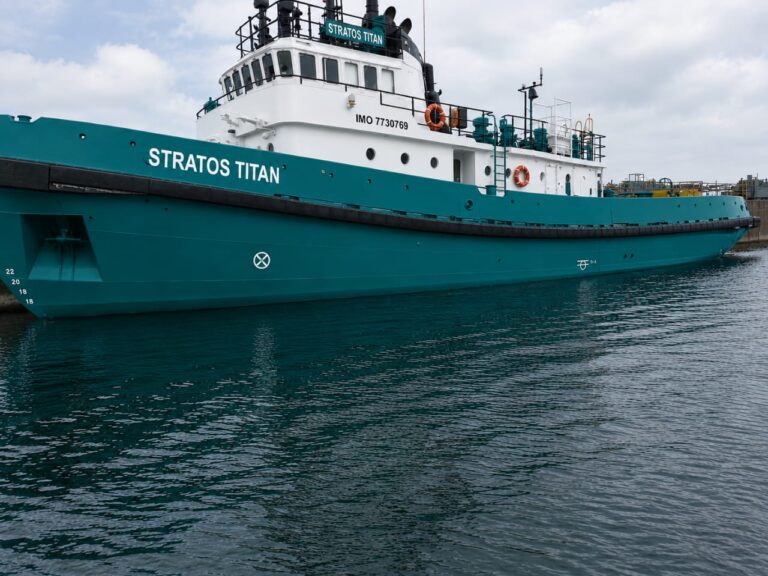
Smaller Vessels and Offshore Operations: Smaller vessels, crew boats, offshore support vessels, and similar craft often run on MGO as their primary fuel. In the offshore sector in West Africa, where a significant proportion of the operational fleet consists of smaller support and utility vessels, MGO demand is substantial and consistent.
Marine Gas Oil in West Africa: The Supply Picture
The availability of MGO in West African ports has historically been less consistent than VLSFO. However, as the region’s refining capacity grows and supply chains mature, MGO availability is improving across the major West African bunkering locations.
For vessel operators sourcing marine gas oil West Africa, documentation matters. A Certificate of Quality confirming the fuel meets the relevant ISO 8217 specification for distillate marine fuels should accompany every delivery. Lead times for MGO in some West African ports can be longer than for VLSFO, so building additional planning time into MGO procurement is good operational practice.
At Stratos Trading, MGO is part of our product range alongside VLSFO, HSFO, AGO, PMS, and DPK. Every supply we make is accompanied by full documentation.
The Cost Question: When Does MGO Make Commercial Sense?
For vessels with a genuine choice between MGO and VLSFO, the cost premium of MGO is a real consideration. On ocean passages outside ECAs, VLSFO is the more cost-effective compliant option for most vessels. However, the price spread between MGO and VLSFO fluctuates with market conditions, and periods of VLSFO price volatility can narrow the gap considerably.
The most practical approach is to work with a supplier who can provide both products, offer accurate pricing on both grades, and advise on the cost implications for your specific vessel and trading pattern.
Conclusion
Marine gas oil is not a fuel of the past. For vessels operating in Emission Control Areas, running sensitive fuel systems, or engaged in offshore and short-sea trades, MGO remains an essential and often mandatory part of the fuel mix.
At Stratos Trading, we supply marine gas oil West Africa alongside our full range of petroleum products, with the same commitment to quality documentation and reliable delivery that we bring to every supply we make.