How to Find the Best Bunker Supplier in Nigeria for Reliable Service

Nigeria is one of West Africa’s most active marine bunkering markets. Offshore oil and gas activity drives demand, along with coastal and port vessel traffic and growing export trade. These factors generate a steady need for bunker fuel across multiple maritime zones, attracting operators and suppliers alike.
This dynamic also supports Nigeria as the best bunker supplier Nigeria for regional markets. In practice, buyers and traders rely on consistent access, transparent pricing, and prompt service across coastal hubs and inland terminals. Operators appreciate stable supply, risk controls, and coordinated logistics that reduce downtime.
The challenge for vessel operators and procurement managers is clear.
The gap between Nigeria’s best bunker supplier Nigeria and its weakest ones is substantial.
The difference shows up not in the sales pitch, but in delivery, documentation, and reliability when market conditions get difficult.
This article sets out the framework that defines what the best bunker supplier Nigeria has to offer actually looks like. Use it as a guide for evaluating any supplier you are considering working with, including us.
1. Regulatory Approval Is the Starting Point, Not an Optional Extra
Firstly, the first question to ask any bunker supplier operating in Nigerian waters is whether they hold current approval.
This helps ensure you find the best bunker supplier Nigeria.
NMDPRA approval is not a formality. Additionally, it requires suppliers to demonstrate genuine operational capability and compliance with safety and environmental standards. It also requires the legal standing to conduct bunker supply in Nigerian waters.
A supplier operating without this approval is outside the regulated framework.
Additionally, every transaction with them carries regulatory and legal risk for the vessel operator.
Ask for the approval documentation directly. A legitimate supplier will produce it without hesitation. Membership of the International Bunker Industry Association is an additional signal worth looking for. IBIA sets global standards for the bunkering industry and its membership base represents the operators who take those standards seriously.
2. Certifications Reflect How a Supplier Actually Operates
Beyond regulatory approval, internationally recognized management system certifications provide an independent assessment of how a supplier runs their day-to-day operations.
The three certifications that matter most are ISO 9001:2015 for Quality Management, ISO 14001:2015 for Environmental Management, and ISO 45001:2018 for Occupational Health and Safety. A supplier holding all three has submitted their operations to independent audit and has been found to meet international standards in each area. IAS accreditation provides an additional layer of independent validation.
3. Infrastructure Is the Most Honest Signal of Delivery Capability
Anyone can quote a competitive price. The ability to consistently deliver on that price is determined by infrastructure.
Does the supplier own their own supply barges? A supplier with an owned fleet has direct operational control over the delivery. A supplier relying on third-party barges introduces variables that are outside their control and therefore outside yours.
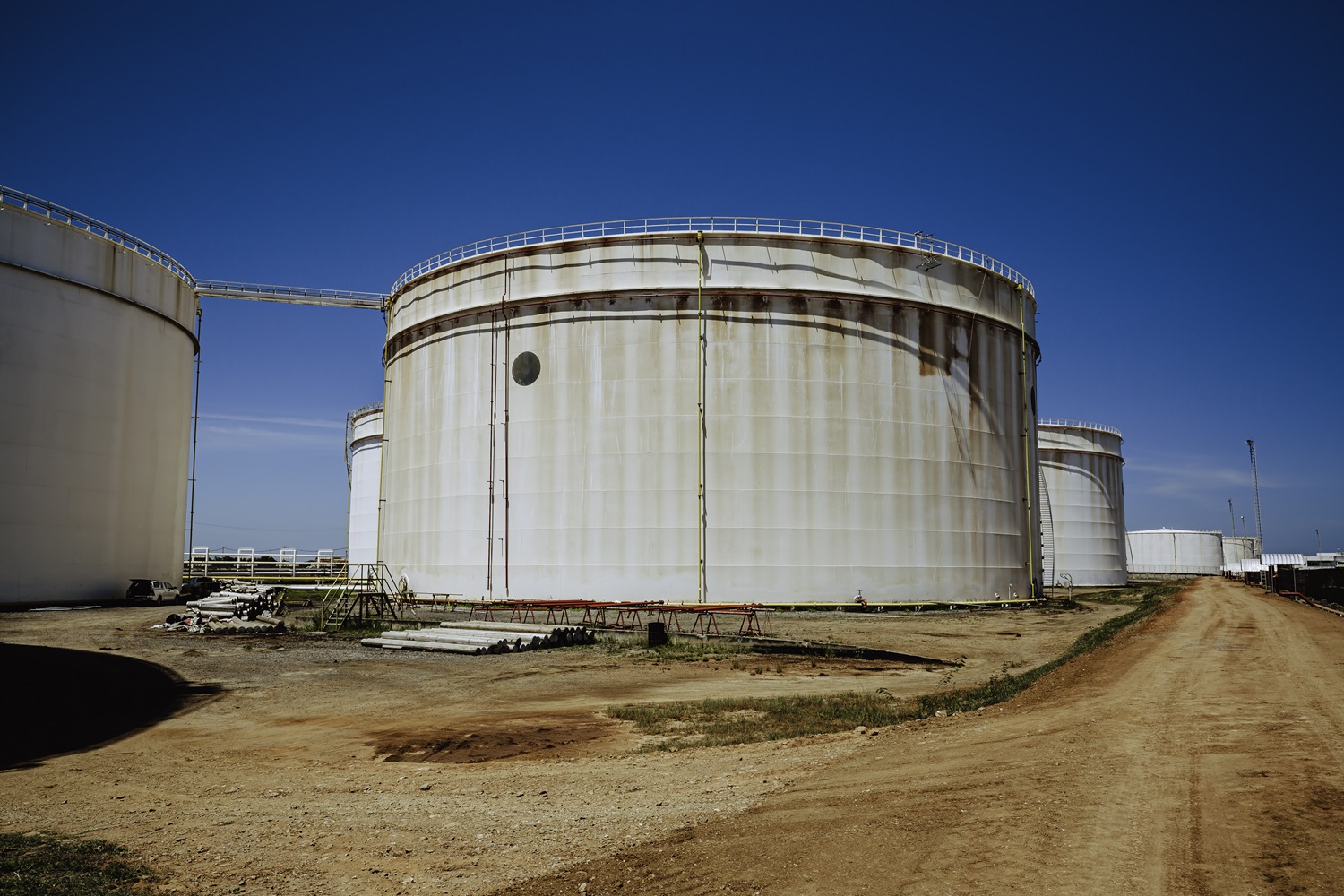
Does the supplier have dedicated storage? Without dedicated storage, a supplier is dependent on spot availability at every transaction. With it, they can maintain buffer stock and honor commitments even when the broader market is under supply pressure.
How diversified is their supply network? A supplier sourcing from a single refinery is exposed to every disruption that refinery experiences. A supplier with access to multiple domestic and international sources has the resilience to maintain supply continuity when individual parts of the chain face pressure.
4. Documentation Is Non-Negotiable
Every legitimate bunker supply transaction should produce two key documents: a Certificate of Quality confirming the fuel meets the relevant ISO 8217 specification, and a Certificate of Quantity confirming the volume delivered.
For the best bunker supplier Nigeria, these documents are the vessel operator’s record of what they received. They serve as evidence of compliance for port state control inspections and insurance claims.
Moreover, Bureau Veritas VeriFuel data confirms rising off-spec fuel incidents through Q2 2026. Thus, a reliable Certificate of Quality from an accredited source is essential.
5. Operational Coverage Should Match Your Trading Pattern
Nigeria’s maritime zones are extensive and not every supplier operates across all of them. The key zones include offshore Lagos, Bonny, Escravos, Eko Atlantic, Onne, and Sandbar, among others. A supplier with genuine operational presence across multiple zones reduces the risk of finding yourself in a location your preferred supplier cannot reach.
6. Financial Credibility Underpins Supply Reliability
Additionally, a supplier without strong banking relationships may struggle to source product. They may also face difficulty fulfilling large orders during market volatility.
Moreover, asking about a supplier’s banking relationships is a legitimate due diligence question.
The Standard Worth Demanding
NMDPRA-approved. IBIA member. ISO-certified across quality, environment, and safety. Owned fleet. Dedicated storage. Diversified supply network. Full documentation on every delivery. Coverage across Nigerian maritime zones. Strong financial relationships.
It is not a low bar. But it is the right bar, and it is the bar that vessel operators and procurement managers should be holding every potential supplier to before they commit.
At Stratos Trading, we meet every criterion on this list. We welcome the scrutiny because we know what it finds when it is applied thoroughly.