How to Choose a Reliable Bunker Supplier in Nigeria

Choosing a bunker supplier in Nigeria is one of those decisions that feels routine until something goes wrong. Off-spec fuel. A delivery that shows up late — or not at all. Missing documentation that creates problems during a port state control inspection. A supplier who is reachable before the transaction and unreachable afterwards.
We have heard these stories, and in many cases we have been the company called in to make things right after a bad experience with another supplier. It is why we believe that helping vessel operators, procurement managers, and shipping companies make better-informed supplier decisions is simply good for the industry.
This guide is not a sales pitch. It is a practical framework for evaluating any bunker supplier you are considering working with in Nigeria — including us. If a supplier cannot meet the standards outlined here, that is important information before you commit.
1. Start With Regulatory Approval
The first question to ask any potential bunker supplier in Nigeria is whether they hold approval from the Nigerian Midstream and Downstream Petroleum Regulatory Authority (NMDPRA) for bunker supply and trading operations.
This is not a formality. NMDPRA approval requires suppliers to demonstrate operational capability, compliance with safety and environmental standards, and the legal standing to conduct bunker supply activities in Nigerian waters. A supplier without this approval is operating outside the regulated framework, which creates risk for everyone involved in the transaction.
Ask to see their approval documentation. A legitimate, approved supplier will provide it without hesitation.
Stratos Trading holds full NMDPRA approval and is a proud member of the International Bunker Industry Association (IBIA), the global body that sets standards for the bunkering industry worldwide.
2. Check Their Certifications
Beyond regulatory approval, international quality and management certifications provide an additional layer of assurance about how a supplier runs their operations.
The certifications to look for are:
ISO 9001:2015 — Quality Management System. This certification demonstrates that a supplier has formalised, auditable processes for managing quality across their operations. It means that quality is not dependent on a good day or a careful individual; it is built into the system.
ISO 14001:2015 — Environmental Management System. Given the environmental sensitivity of marine fuel operations, this certification shows that a supplier is managing their environmental impact in a structured and accountable way.
ISO 45001:2018 — Occupational Health and Safety Management System. Bunkering operations involve real physical risk. This certification demonstrates that a supplier takes the safety of their people and the vessels they serve seriously.
Stratos Trading holds all three certifications and is additionally accredited by IAS (International Accreditation Service), which provides independent validation of our management systems.
These certifications are not window dressing. They represent a genuine commitment to standards that protect our clients as much as our own operations.
3. Evaluate Their Infrastructure
A supplier’s infrastructure is the most honest signal of their actual delivery capability. Anyone can quote a competitive price. Not everyone has the physical infrastructure to back it up consistently.
Here are the infrastructure questions worth asking:
Do they have their own supply barges?
A supplier with their own dedicated fleet of barges has direct control over delivery timing, quality at the point of supply, and safety during the supply operation. A supplier who relies on third-party barges introduces additional variables into every transaction.
Stratos Trading operates five dedicated bunker barges: Stratos 1 (The Cruiser), Stratos 2 (The Wind), MT Maria Soltin, MT Odyssey, and MT Fiyoubo. Our fleet gives us the operational control to guarantee timely and reliable delivery.
Do they have dedicated storage?
A supplier with their own storage is not dependent on spot product availability. They can maintain buffer stock, segregate product grades to prevent contamination, and load vessels efficiently with minimal laytime.
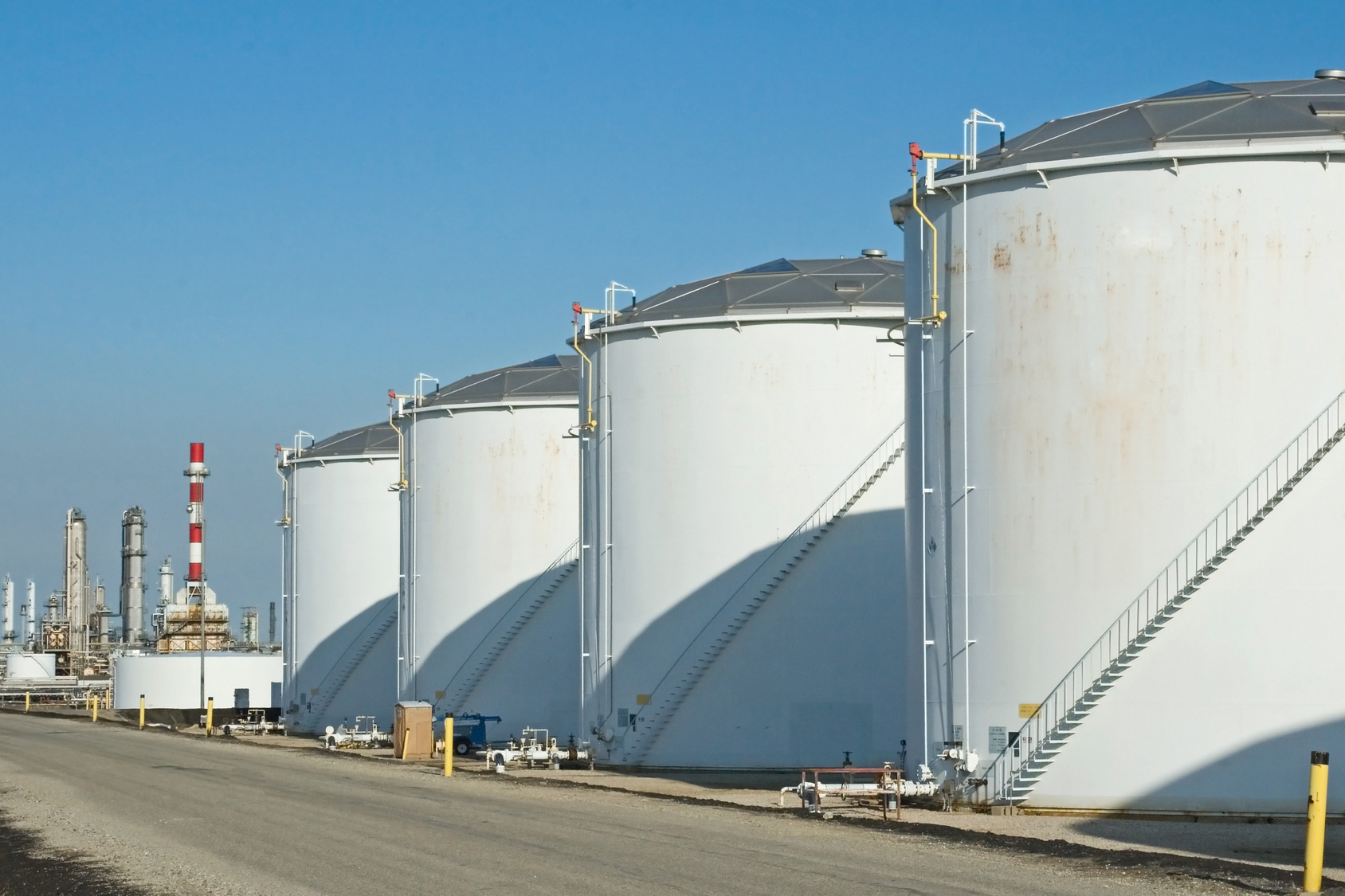
Stratos Trading maintains dedicated storage at the Greenmac Energy Terminal in Koko, Delta State, with a combined capacity of over 20,000MT. This infrastructure is central to our ability to supply consistently, regardless of short-term market fluctuations.
How diversified is their supply chain?
A supplier whose product comes from a single source is vulnerable to disruption whenever that source faces an outage or supply constraint. A diversified sourcing network means the supplier can maintain product availability even when one part of the chain is under pressure.
Our sourcing network spans modular refineries including Waltersmith, Aradel, Opac, and Edo; government-owned refineries including PHRC, WRPC, and Kaduna; and the Dangote Refinery. This diversification is deliberate, and it directly benefits our clients.
4. Insist on Full Documentation
Every legitimate bunker supply transaction should generate a clear and complete paper trail. If a supplier is reluctant or unable to provide proper documentation, that is a serious warning sign.
The two non-negotiable documents are:
Certificate of Quality (CoQ): This confirms that the fuel delivered meets the relevant specification, typically ISO 8217 for marine fuel. It should reference the specific batch tested and the test results for key parameters including sulfur content, viscosity, density, and flash point.
Certificate of Quantity: This confirms the volume of fuel actually delivered. Combined with the CoQ, it gives vessel operators a verifiable record of exactly what was received.
These documents matter not just for your own operational records. In the event of a port state control inspection, a fuel quality dispute, or an insurance claim, proper documentation is your first line of defence.
At Stratos Trading, Certificates of Quality and Quantity accompany every delivery we make, without exception.
5. Assess Their Operational Coverage
Nigeria’s maritime zones are extensive, and not every supplier operates across all of them. Depending on where your vessels operate, coverage is a practical consideration.
Key Nigerian maritime operation zones include offshore Lagos, Bonny, Escravos, Eko Atlantic, Onne, and Sanbarh, among others. A supplier with genuine operational presence across multiple zones reduces the risk of finding yourself in a location where your preferred supplier cannot reach you.
Stratos Trading operates across all of Nigeria’s primary maritime hubs, giving our clients consistent access to compliant, certified bunker supply wherever they are operating in Nigerian waters.
6. Understand Their Financial Standing
In commodity trading, the financial credibility of your supplier is as important as their operational capability. A supplier with weak banking relationships or shaky financial standing may struggle to source product, fulfil large orders, or maintain supply continuity during periods of market volatility.
Legitimate, well-established bunker suppliers typically work with recognised financial institutions that understand commodity trading and provide the trade finance facilities necessary for consistent operations.
Stratos Trading maintains relationships with a network of trusted financial institutions including UBA, Keystone Bank, Mashreq, First Abu Dhabi Bank, FBNQuest Merchant Bank, and Access Bank UK. These relationships underpin our ability to fulfil supply commitments reliably and at scale.
7. Talk to Their Team
This one is less tangible but genuinely important. The quality of a supplier’s team, their technical knowledge, their responsiveness, and their willingness to engage seriously with your requirements before the transaction tells you a great deal about what the relationship will look like after the transaction.
A good bunker supplier should be able to answer technical questions about the products they supply, advise on compatibility and specification requirements, and communicate proactively if any issue arises during the supply process.
Stratos Trading’s leadership team brings together decades of combined experience across banking, trade finance, chemical engineering, logistics, and international oil and gas trading. When you work with us, you have access to that depth of expertise, not just a commercial team focused on closing a deal.
A Quick Checklist Before You Commit
To summarise, here is a practical checklist for evaluating any bunker supplier in Nigeria:
– NMDPRA approval confirmed
– IBIA membership verified
– ISO 9001:2015 certification in place
– ISO 14001:2015 certification in place
– ISO 45001:2018 certification in place
– Dedicated supply barge fleet operated
– Own storage infrastructure confirmed
– Diversified sourcing network in place
– Certificate of Quality provided on every delivery
– Certificate of Quantity provided on every delivery
– Operational coverage across your required maritime zones confirmed
– Strong banking and financial relationships evidenced
– Responsive, technically knowledgeable team accessible
If a supplier ticks all of these boxes, you are in good hands. If they struggle to answer questions in any of these areas, that is worth taking seriously before you commit.
Conclusion
Choosing a bunker supplier in Nigeria does not have to be a leap of faith. The right framework, the right questions, and a clear understanding of what good looks like will help you make a decision you can be confident in.
At Stratos Trading, we have built our operation around exactly the standards described in this guide. We welcome the scrutiny because we know what it turns up. If you are evaluating suppliers for your West African bunkering requirements and would like to learn more about how we work, we would be very glad to hear from you.
Contact us at tradefinance@stratostrading.net or visit stratostrading.net.
