How to Choose a Marine Fuel Supplier in Nigeria

Nigeria is one of West Africa’s most active bunkering jurisdictions. Its offshore zones serve thousands of vessel calls annually, and the number of suppliers competing for that business has grown significantly in recent years. For procurement teams making decisions in this environment, the challenge is not finding a marine fuel supplier in Nigeria. It is finding the right one.
The cost of getting this wrong extends well beyond the price per metric tonne. Off-spec fuel can disable a vessel. Incomplete documentation can trigger a Port State Control detention. An unreliable supplier can disrupt a voyage schedule in ways that cascade into charter penalties and cargo delays. This guide walks through the key criteria for evaluating any marine fuel supplier in Nigeria before placing a nomination.
Start With Regulatory Standing
The first question to ask any marine fuel supplier in Nigeria is whether they hold a current operating licence from the Nigerian Midstream and Downstream Petroleum Regulatory Authority (NMDPRA). NMDPRA approval is the baseline legal requirement for any entity supplying petroleum products in Nigeria’s midstream and downstream sector. It confirms that the supplier has been assessed and approved to operate, meets minimum capital and infrastructure requirements, and is subject to ongoing regulatory oversight.
Requesting a copy of the NMDPRA licence is a standard due diligence step, not an unusual demand. A credible supplier will produce it without hesitation. One who cannot, or who delays, is giving you your first piece of evaluation data.
Beyond NMDPRA licensing, check whether the supplier holds membership in the International Bunker Industry Association (IBIA). IBIA membership signals a commitment to international industry standards and subjects the supplier to a global code of conduct covering ethics, transparency, and professional practice.
Verify Quality Management Certification
Fuel quality is not just about the product. It is about the system used to source, store, test, and deliver it. The most reliable marine fuel suppliers in Nigeria hold ISO 9001:2015 certification, which confirms that their quality management system has been independently audited and meets internationally recognised standards.
ISO 14001:2015 and ISO 45001:2018 add environmental and occupational safety management layers that are increasingly relevant as global regulatory expectations tighten. These certifications are not self-declared. They are issued by accredited certification bodies and are subject to regular renewal audits. A supplier who claims certification but cannot provide a current certificate from an accredited body is not certified.
Assess Infrastructure: Owned Assets vs Pure Trading
One of the most significant practical differences between marine fuel suppliers in Nigeria is whether they own physical infrastructure or operate purely as traders. This distinction matters for supply reliability, price consistency, and accountability.
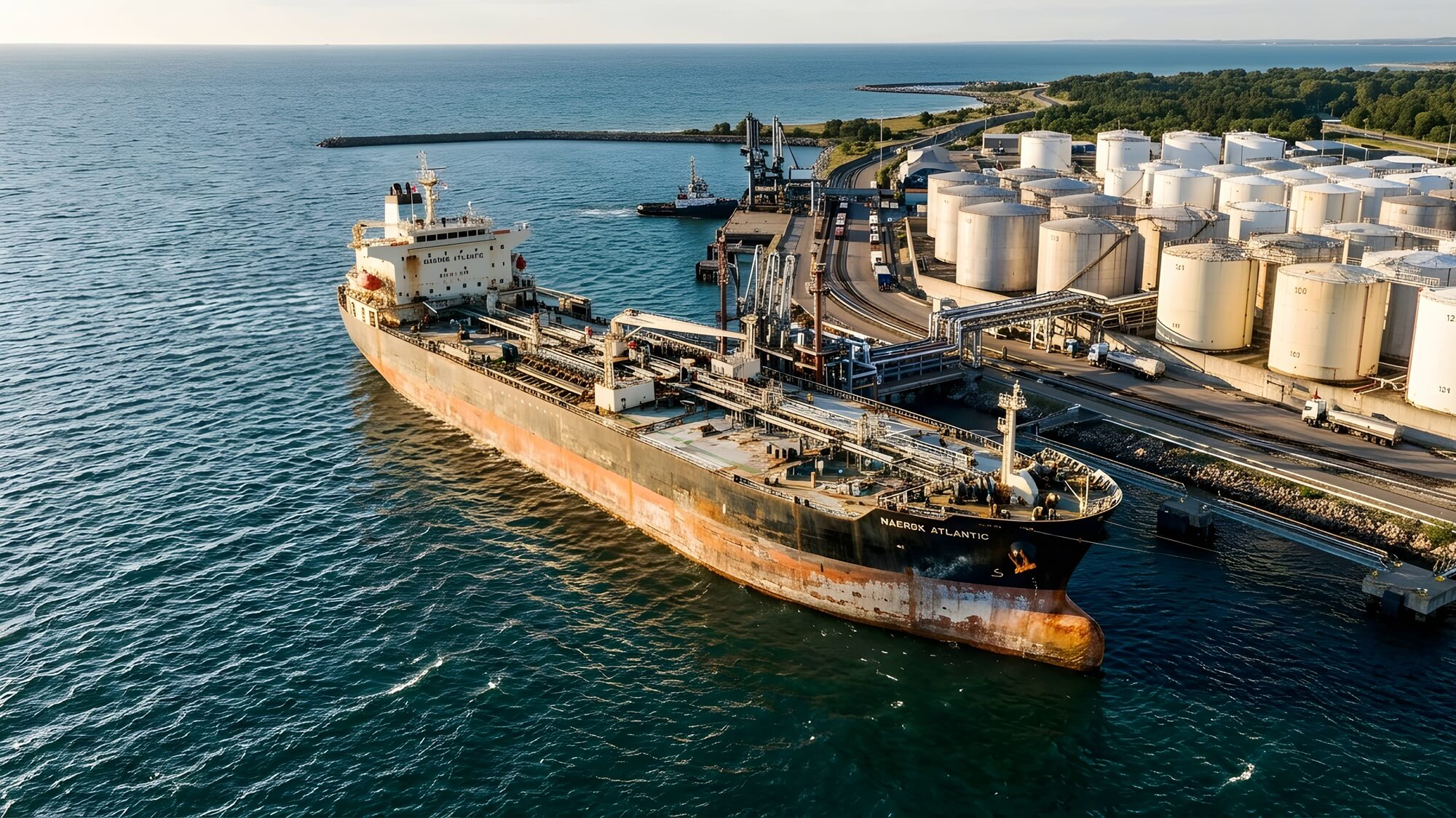
A physical supplier with owned bunker barges and dedicated terminal storage can pre-position product, manage fuel segregation across grades, and guarantee delivery capability without depending entirely on third-party logistics. Their supply chain is shorter and more controllable. When you place a nomination with them, you are dealing with the entity that will physically deliver the fuel.
A trading-focused supplier may have competitive pricing but offers less certainty. Their ability to fulfil a stem depends on their ability to source from a physical operator, and any disruption in that chain becomes your problem. For vessels with tight schedules and compliance obligations, that additional layer of uncertainty carries real operational risk.
Ask any prospective marine fuel supplier in Nigeria whether they own their delivery vessels and where their storage is held. The answers will tell you a great deal about the nature of their operation.
Confirm Grade Availability and Lead Times
Since the IMO 2020 sulphur cap came into force, vessels require access to VLSFO, LSMGO, or HSFO depending on their engine configuration and the waters they are trading in. A marine fuel supplier in Nigeria who can only reliably supply one of these grades forces operators to manage multiple supplier relationships, which increases coordination costs and procurement risk.
Confirm grade availability upfront, not after a nomination has been placed. Also confirm lead times. In Nigerian bunkering zones, five to seven days is a standard planning window for larger stems. A supplier who cannot commit to a delivery window at the point of nomination is not ready to serve your vessel.
For a deeper breakdown of these grades, read our article on VLSFO and LSMGO supply in Nigeria.
Review the Documentation Package
Every shipment of marine fuel received in Nigerian waters needs to be accompanied by documentation that will withstand scrutiny from a Port State Control inspector anywhere in the world. The minimum documentation package from any credible marine fuel supplier in Nigeria should include a MARPOL Annex VI-compliant Bunker Delivery Note, a quality test certificate from an accredited laboratory, and support for independent sampling at the point of delivery.
Ask to see a sample BDN before placing your first nomination. If the document is incomplete, uses non-standard formatting, or omits required fields such as the sulphur content declaration, that is a significant warning sign. BDN quality reflects a supplier’s operational discipline more broadly. For more on this, read our guide on bunkering compliance in Nigeria.
Test Communication Before You Need It
The operational side of bunkering involves tight windows and real-time decisions. A supplier’s communication culture becomes apparent before the first stem is placed. How quickly do they respond to an inquiry? How detailed is their initial response? Do they proactively flag any constraints around availability or lead time, or do they promise everything and clarify later?
The best marine fuel suppliers in Nigeria treat communication as part of the product. They provide real-time updates on delivery status, notify you proactively if any delay is anticipated, and maintain accessible escalation paths when something goes wrong. Suppliers who go quiet after payment has been made, or who provide vague ETAs without follow-through, are showing you exactly how they will perform under pressure.
Build a Relationship, Not Just a Transaction
The most commercially advantageous position for any operator bunkering regularly in Nigeria is a standing relationship with a credible supplier. Spot transactions are costly in time, due diligence effort, and pricing exposure. A supplier who knows your vessels, your documentation requirements, and your schedule can serve you faster, with fewer errors, and in some cases at better commercial terms.
The evaluation process described in this guide is most valuable when you are onboarding a new supplier for an ongoing relationship, not when you are bunkering once and moving on. Invest the time upfront, and the returns come through in the operational reliability of every subsequent shipment.
Stratos Trading is a NMDPRA-licensed, ISO-certified marine fuel supplier in Nigeria with owned barges, dedicated storage, and operations across Lagos, Bonny, Escravos, Onne, and beyond. Contact our team to discuss your supply requirements.